Broken Bones
Learn about Broken Bones and your legal options after an accident.
Overview: Broken Bones
Broken bones and fractures are among the most common injuries in personal injury cases and can range from relatively minor to life-altering. While some fractures heal with rest and immobilization, others require surgery, long-term rehabilitation, or result in permanent limitations. Fractures commonly occur in car accidents, truck crashes, motorcycle and bicycle accidents, pedestrian incidents, falls, and workplace injuries. The force involved in these accidents often leads to broken arms, legs, hips, ribs, wrists, ankles, or more complex injuries such as pelvic or compound fractures. A broken bone or fracture injury claim allows an injured person to seek compensation when the injury is caused by another party's negligence. Because the type and severity of a fracture significantly affect recovery time and long-term impact, understanding how fracture claims work is essential to pursuing fair compensation.

Common Types of Fracture Injuries
Fractures can occur in nearly any part of the body and vary widely in severity. Some of the most common fracture injuries include arm fractures, leg fractures, wrist and hand fractures, ankle and foot fractures, and collarbone fractures. These injuries often limit mobility and interfere with daily activities and work. More serious fractures include hip fractures, pelvic fractures, rib fractures, and compound fractures, where the bone breaks through the skin. These injuries often require surgery, hospitalization, and extensive rehabilitation, particularly in older adults or high-impact accidents. Some fractures heal cleanly, while others result in complications such as improper healing, chronic pain, reduced range of motion, or nerve damage. The specific type of fracture plays a major role in the value and complexity of a claim.
Common Issues in Broken Bone & Fracture Claims
One common issue in fracture claims is underestimating the seriousness of the injury. Insurance companies may treat fractures as temporary injuries, even when they result in long-term pain, mobility issues, or surgical intervention. Another challenge involves complications during healing. Delayed healing, infections, or the need for multiple surgeries can significantly increase medical costs and recovery time. Insurers may dispute whether these complications are related to the original accident. Lost income can also become a major issue. Many fracture injuries prevent individuals from working for extended periods, especially when the injury affects weight-bearing bones or dominant limbs.
How Broken Bones & Fractures Affect Settlement Value
Settlement value in fracture cases depends largely on the type and severity of the break. Simple fractures that heal without surgery generally result in lower compensation, while fractures requiring surgery, hardware placement, or long-term rehabilitation typically lead to higher settlements. Medical expenses play a central role, including emergency treatment, imaging, surgery, hospital stays, physical therapy, and follow-up care. Lost wages and reduced earning capacity are also considered when fractures limit the ability to work. Compensation may also include pain and suffering, emotional distress, and reduced quality of life. Severe fractures, such as pelvic, hip, or compound fractures, often result in significantly higher settlement values due to their long-term impact.
Documenting Broken Bone & Fracture Injuries for Your Claim
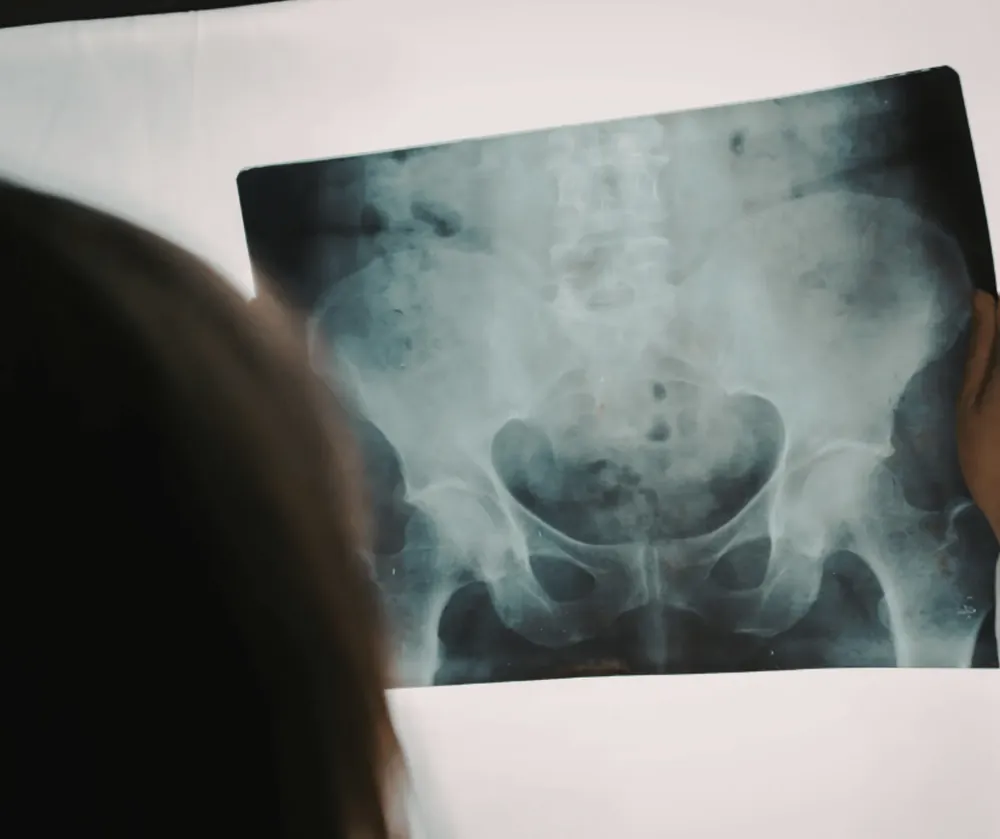
Proper documentation is critical in fracture injury claims. Immediate medical treatment helps establish the existence and severity of the injury. Medical records may include X-rays, CT scans, surgical reports, orthopedic evaluations, and physical therapy records. Following all treatment recommendations and attending follow-up appointments strengthens a claim. Personal documentation describing pain levels, mobility limitations, and daily challenges can further support medical evidence and demonstrate how the fracture affects everyday life.
Getting Help After a Fracture Injury
Broken bone and fracture claims can become complex, especially when surgery, long-term recovery, or permanent limitations are involved. Seeking legal help early can help ensure the injury is fully documented and properly valued. An experienced injury attorney can gather medical evidence, consult with specialists, handle insurance negotiations, and protect against low settlement offers. Early legal guidance also helps ensure deadlines are met and evidence is preserved. If you've suffered a broken bone or fracture due to someone else's negligence, understanding your legal options and getting help as soon as possible can make a meaningful difference in your recovery and compensation.
Fracture Injury Pages We Cover
This page connects to detailed guides on specific fracture injuries, including: Arm fractures Leg fractures Hip fractures Rib fractures Wrist and hand fractures Ankle and foot fractures Pelvic fractures Collarbone fractures Compound fractures Each page provides injury-specific information on symptoms, treatment, and legal considerations.
Were you injured in a Broken Bones?
Get a free case evaluation from an experienced attorney today.
Types of Broken Bones








Injured in a Broken Bones? We Can Help.
Our network of experienced attorneys has recovered millions for car accident victims. Get your free case review today.

