Head Brain
Learn about Head Brain and your legal options after an accident.
Overview: Head Brain
Head and brain injuries are among the most serious injuries in personal injury cases. These injuries can affect cognitive function, memory, behavior, and physical abilities, often requiring extensive medical treatment and long-term care. Even injuries that initially appear mild can have lasting or worsening effects over time. A head or brain injury claim allows an injured person to seek compensation when the injury is caused by another party's negligence. These injuries commonly result from car accidents, truck crashes, motorcycle accidents, pedestrian or bicycle accidents, falls, workplace incidents, and violent impacts. Because brain injuries are not always immediately visible, they are often misunderstood or underestimated by insurance companies. Understanding how head and brain injury claims work is critical to protecting your rights and pursuing compensation that reflects the true impact of the injury.

Common Types of Head and Brain Injuries
Head and brain injuries can vary widely in severity. Common types include concussions, which are mild traumatic brain injuries that can still cause serious symptoms such as headaches, dizziness, memory loss, and concentration problems. More severe injuries include traumatic brain injuries (TBIs), which may involve brain bleeding, swelling, or direct damage to brain tissue. Skull fractures, penetrating head injuries, and diffuse axonal injuries can result in permanent impairment or life-threatening complications. Some brain injuries cause delayed symptoms, meaning problems may not appear until days or weeks after the incident. This makes early medical evaluation especially important after any head trauma.
Common Issues in Head & Brain Injury Claims
One of the biggest challenges in head and brain injury claims is proving the severity of the injury. Unlike broken bones or visible wounds, brain injuries often rely on medical imaging, neurological evaluations, and expert opinions to demonstrate their impact. Insurance companies frequently argue that symptoms are exaggerated or unrelated to the accident, particularly in concussion cases. They may also point to gaps in treatment or delayed diagnosis to reduce the value of a claim. Another issue involves long-term effects. Brain injuries can lead to cognitive impairment, personality changes, emotional instability, and reduced ability to work. These effects are not always fully understood early in the claims process but are critical when evaluating compensation.
How Head & Brain Injuries Affect Settlement Value
Head and brain injuries often significantly increase the value of an injury claim due to their long-term and sometimes permanent consequences. Settlement value is influenced by the severity of the injury, the type of treatment required, and whether the injury affects the person's ability to work or live independently. Medical expenses play a major role, including emergency care, diagnostic testing, surgery, rehabilitation, therapy, and future medical needs. Lost income and reduced earning capacity are especially important in brain injury cases, as victims may be unable to return to their prior employment. Compensation may also account for pain and suffering, emotional distress, loss of enjoyment of life, and cognitive or personality changes. Severe brain injuries often result in substantially higher settlements compared to other injury types.
Documenting Head & Brain Injuries for Your Claim
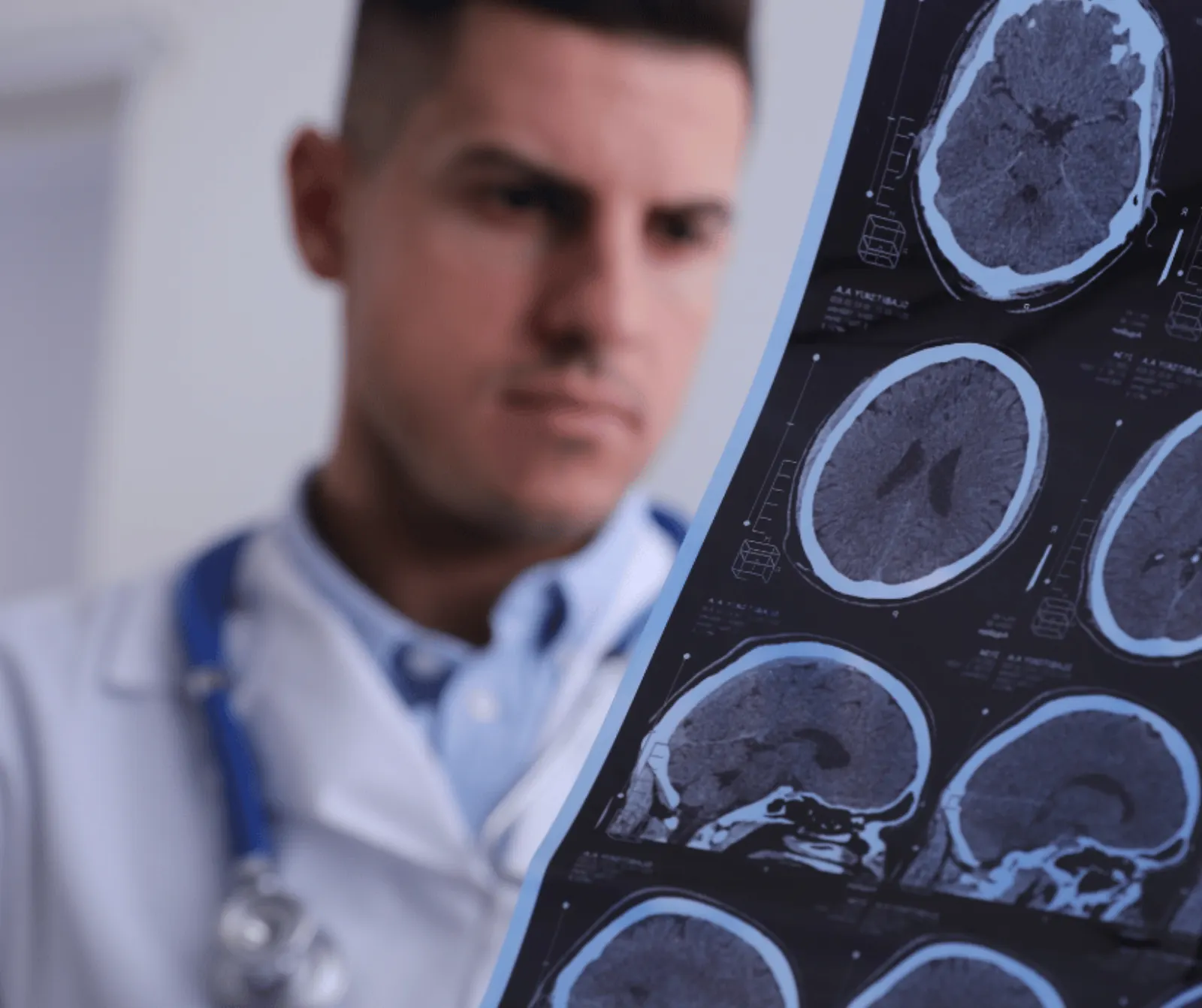
Proper documentation is essential in head and brain injury claims. Seeking immediate medical attention after any head trauma helps establish a clear connection between the accident and the injury. Medical records may include emergency room reports, CT scans, MRIs, neurological evaluations, cognitive testing, and ongoing treatment notes. Consistent follow-up care and compliance with treatment recommendations strengthen a claim. Personal documentation can also be helpful. Journals describing symptoms, memory issues, headaches, mood changes, or daily limitations can support medical evidence and demonstrate how the injury affects daily life.
Getting Help After a Head or Brain Injury
Head and brain injury cases are complex and often heavily contested by insurance companies. Seeking legal help early can make a significant difference in preserving evidence, obtaining expert evaluations, and accurately valuing the claim. An experienced injury attorney can work with medical professionals to understand the full extent of the injury, handle communication with insurers, and ensure deadlines are met. This is especially important when long-term care or permanent impairment is involved. If you or a loved one has suffered a head or brain injury due to someone else's negligence, understanding your legal options and getting help as soon as possible can play a critical role in your recovery and financial security.
Were you injured in a Head Brain?
Get a free case evaluation from an experienced attorney today.
Types of Head Brain


Injured in a Head Brain? We Can Help.
Our network of experienced attorneys has recovered millions for car accident victims. Get your free case review today.

